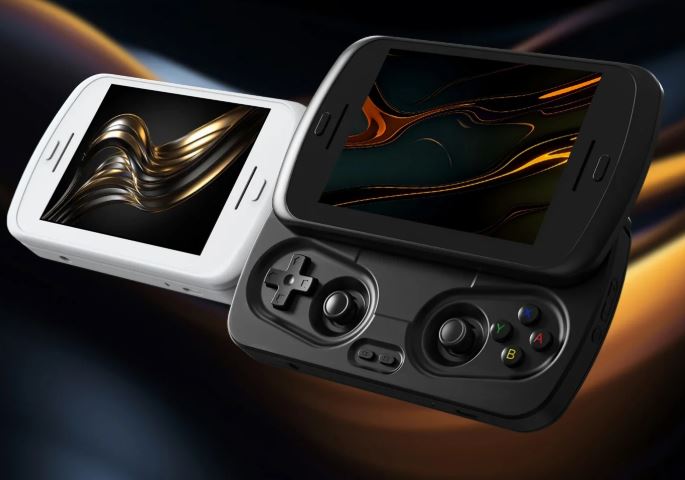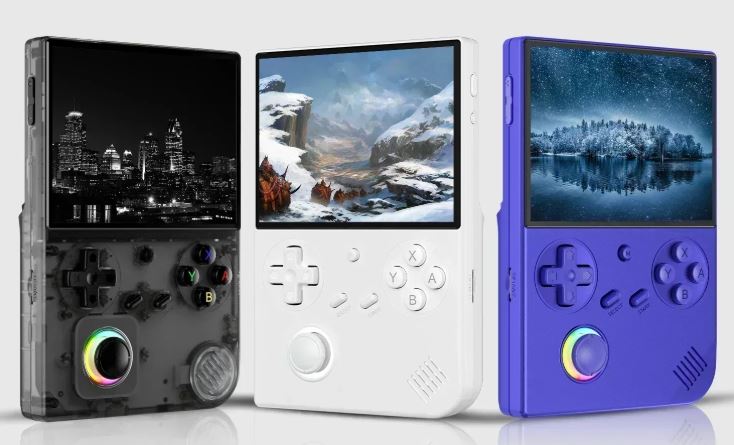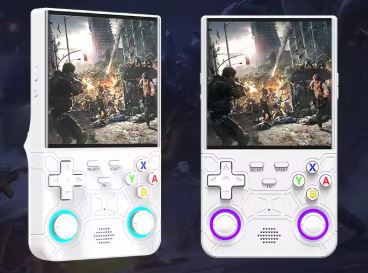
The R36 Ultra Retro handheld console is a compact, Linux-based device designed for retro gaming enthusiasts.
Pros: pocket-friendly size, open-source flexibility, 128GB storage, decent emulation up to PS1.
Cons: average battery life, limited multimedia features, no premium build.
Conclusion: A solid choice for nostalgic gamers who want portability and tinkering freedom, but not ideal for those seeking high-end performance.
>>VIEW PRICES<<
1. Key Technical Specifications
| Feature | Details |
|---|---|
| Display | 4.0-inch IPS screen, 480p resolution |
| Storage | 128GB internal (expandable via microSD) |
| Operating System | Linux open-source distribution |
| Processor | ARM-based chipset (quad-core) |
| RAM | 1GB |
| Battery | 3000 mAh lithium-ion |
| Connectivity | USB-C, Wi-Fi, Bluetooth |
| Audio | Stereo speakers, 3.5mm headphone jack |
| Dimensions | Compact, pocket-sized |
| Weight | ~200g |
2. Design and Build Quality
The R36 doesn’t aim for premium aesthetics, but it feels sturdy enough for daily use.
The plastic shell is lightweight yet resistant to scratches.
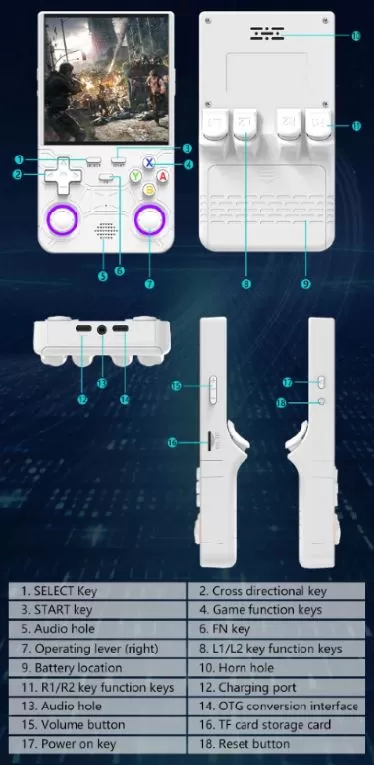
Buttons are responsive, with a tactile click that suits fast-paced retro titles.
The D-pad is precise, which is crucial for platformers and fighting games. Overall, the design is functional rather than flashy, prioritizing portability and comfort.
3. Screen and Multimedia
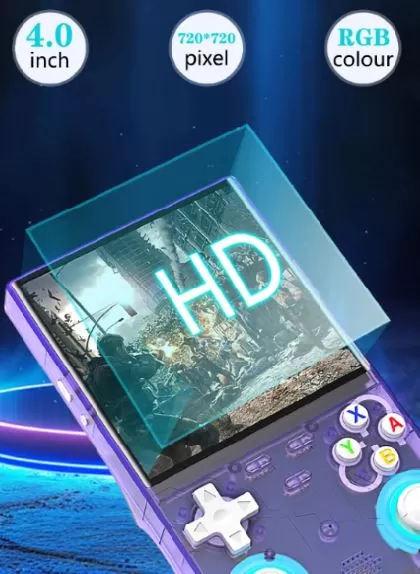
The 4-inch IPS display offers decent brightness and color reproduction.
While the resolution is modest, it’s adequate for retro titles that don’t demand HD fidelity.
Watching videos is possible, but the experience is secondary compared to gaming.
Audio is serviceable: speakers are clear but lack depth, so headphones are recommended for immersive play.
4. Performance and Software
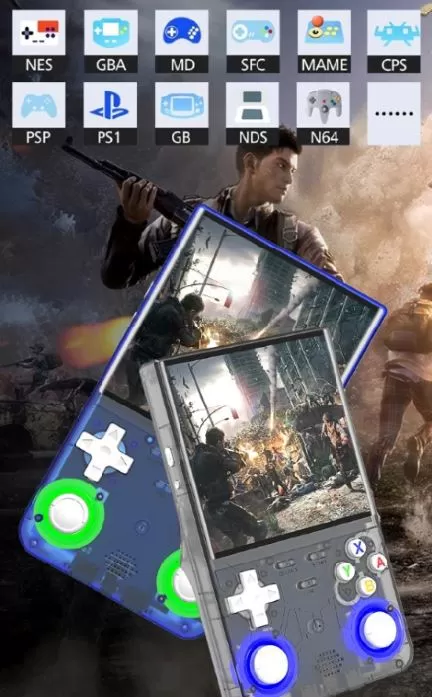
Running on a Linux-based open-source system, the R36 provides flexibility for customization.
Out of the box, emulation up to PlayStation 1 runs smoothly, with occasional hiccups in more demanding titles.
The interface is clean, though not as polished as mainstream consoles.
There’s no bloatware, and updates are community-driven, which means enthusiasts can tweak performance but casual users may find the process less intuitive.
5. Cameras
Unlike smartphones, the R36 isn’t designed for photography. It lacks dedicated cameras, so photo and video capture isn’t part of the package. This omission makes sense given its focus on gaming and multimedia playback.
6. Battery and Charging
The 3000 mAh battery delivers around 4–5 hours of gameplay depending on the emulator used. For lighter 8-bit and 16-bit titles, endurance improves slightly. Charging via USB-C takes about 2 hours, but the console doesn’t include a fast charger in the box. For travel, carrying a power bank is advisable.
7. Connectivity and Extras
The R36 offers basic connectivity: USB-C for charging and data transfer, Wi-Fi for updates and multiplayer, and Bluetooth for wireless controllers.
A 3.5mm headphone jack is a welcome inclusion. However, don’t expect advanced features like 5G, NFC, fingerprint sensors, or water resistance. This is a straightforward gaming device.
8. Opinions on Known Pages
Browsing forums and niche tech sites, the consensus is positive among retro gaming communities.
Users praise its portability, open-source flexibility, and affordability. Criticisms focus on battery life and the lack of higher-end emulation support.
Compared to pricier handhelds, the R36 is seen as a budget-friendly entry point rather than a powerhouse.
PropelRC (USA)
Their 30‑day hands‑on test describes the R36S as a “strange middle ground” between impressive value and frustrating compromises. They highlight that it runs NES through PlayStation 1 smoothly, but note occasional issues with consistency. The verdict: good for casual retro gamers, but not flawless.
RetroHandhelds.de
Calls the R36S a “budget powerhouse,” praising its ~$50 price and ability to handle 8‑bit through some Dreamcast/N64 titles. They emphasize the vibrant 3.5‑inch IPS display and strong value proposition, while cautioning that performance ceilings are clear compared to premium handhelds.
Tech Tactician
Offers a detailed breakdown of specs, build quality, and emulator performance. They note the ArkOS Linux system is flexible but requires some tinkering. Pros include responsive buttons and decent display; cons include average battery and limited PSP/Dreamcast support.
Infoquu.com
Publishes a brutally honest review, saying the R36S “hits some retro magic but not without sharp edges.” They liked the plug‑and‑play feel and affordability, but criticized battery endurance and occasional software quirks.
Reddit India users (r/R36S)
Indian gamers share experiences of ordering the R36S as their first retro handheld. They appreciate the affordability compared to buying original Game Boy hardware, and recommend swapping out the pre‑loaded SD card for reliability. The tone is enthusiastic, with advice on how to get the most out of the device.
YouTube Tech Lab (India‑based channel)
Their unboxing and review video emphasizes the appeal of “15,000+ retro games in your pocket.” They highlight portability and nostalgia, but also note that the device is best suited for casual play rather than demanding emulation.
Local reseller blogs
Indian online marketplaces and reseller blogs describe the R36 as a “budget retro console for students and commuters,” often bundling it with large pre‑loaded libraries. Reviews stress affordability and ease of use, but warn about inconsistent quality of SD cards and the need for firmware updates.
Topes de Gama
On the Spanish tech site Topes de Gama, the R36S is highlighted as one of the most popular budget retro consoles. Their reviewers emphasize how it appeals to nostalgic players from the 80s, 90s, and early 2000s. They note the compact design, the ability to load thousands of classic titles, and the straightforward user experience. The verdict is that it’s a fun, affordable companion for collectors and casual gamers alike.
Pasión Retro
The blog Pasión Retro describes the R36 as “the handheld that’s taking off because of its price.” They underline its value for money, calling it ideal for gifting or for anyone who wants to step into retro gaming without spending heavily. They also mention how common it has become to see commuters using it on public transport, which speaks to its portability and mainstream appeal.
Máquinas Retro
The site Máquinas Retro provides a more technical breakdown. They list the specs—3.5‑inch IPS screen, 2900 mAh battery, Rockchip RK3326 processor, and ArkOS Linux system—and explain how it performs across different emulators. According to their tests, NES, SNES, GBA, and PS1 titles run smoothly, while PSP and Dreamcast are playable but inconsistent. They call it a “gem of emulation” for the price, stressing that it’s not a powerhouse but an excellent budget option.
ConsolaR36S.net
This dedicated site aggregates user reviews and technical notes. The consensus there is that the R36 offers affordable entry into retro gaming, with prices ranging from 30 to 90 euros depending on the model and storage. Users praise the IPS screen quality, the battery endurance for lighter games, and the large retro library. The downsides mentioned include limited performance for demanding titles and audio quality that doesn’t match higher‑end handhelds.
YouTube Reviews
Several Spanish‑language YouTube reviewers (for example, channels covering the R36 Max variant) describe it as a cheap retro console with surprisingly good performance. They highlight its ease of use and portability, but also caution that it cannot compete with premium handhelds like Anbernic or Retroid Pocket. The general tone is positive: it’s recommended for beginners or budget‑conscious gamers, but not for those chasing perfect emulation of newer systems.
Overall Takeaway
Across these pages and communities, the R36 is consistently described as:
-
Pros: very affordable, portable, easy to use, strong performance up to PS1, active Linux community support.
-
Cons: average battery life, basic audio, struggles with PSP/Dreamcast, build quality below premium rivals.
9. Technical Test Summary
-
NES/SNES/GBA: flawless performance.
-
PS1: smooth gameplay with minor frame drops in demanding titles.
-
PSP/Dreamcast: playable but inconsistent.
-
Video playback: functional, not exceptional.
-
Battery endurance: average, requires external support for long sessions.
Tech Tactician (Hands‑On Review)
-
Tested the R36S for several days.
-
Build quality: buttons and D‑pad are responsive, shell feels solid for the price.
-
Display: 3.5‑inch IPS panel is bright and sharp enough for retro titles.
-
Performance: flawless for NES, SNES, GBA; PS1 runs smoothly with minor hiccups; PSP is inconsistent.
-
Software: ArkOS Linux system is flexible, but updates require some technical knowledge.
-
Battery: around 4–5 hours depending on workload.
PropelRC (30‑Day Test)
-
Ran daily tests for a month, comparing with other budget handhelds.
-
Value: praised as impressive for under $50.
-
Performance: stable up to PS1, but not reliable for heavier emulation.
-
Verdict: sits in a “middle ground” between great value and frustrating compromises.
RetroHandhelds.de
-
Comprehensive review calling it a “budget powerhouse.”
-
Emulation: handles 8‑bit and 16‑bit systems perfectly, PS1 well, and even some Dreamcast/N64 titles with caveats.
-
Display: 640×480 IPS screen delivers vibrant visuals.
-
Price: around $50, considered excellent value for money.
TechXReviews (R36H variant)
-
Horizontal version of the R36S tested.
-
Performance: similar to R36S, with strong retro emulation and same limitations on PSP/Dreamcast.
-
Design: controller‑like ergonomics improve comfort for longer sessions.
ConsoleVintage.com
-
Detailed buyer’s guide for 2025.
-
Performance tests: dozens of classic systems evaluated, confirming smooth play for NES, SNES, GBA, PS1.
-
Limitations: PSP and Dreamcast remain inconsistent.
-
Overall: praised as one of the most talked‑about budget handhelds, balancing affordability and performance.
10. Final Conclusion
The R36 Ultra Retro handheld is ideal for casual retro gamers, travelers, and hobbyists who enjoy tinkering with open-source systems.
It’s not a replacement for premium handhelds like the Steam Deck or Nintendo Switch, but it fills a niche: affordable, portable retro gaming with community-driven support.
Alternatives worth considering include Anbernic models for better build quality or Retroid Pocket devices for broader emulation.
11. Where to Buy
If you’re curious about the R36 Ultra Retro handheld and want to explore retro gaming on a budget, you can find more information or purchase options on specialized gaming retailers and online marketplaces. Check availability here.